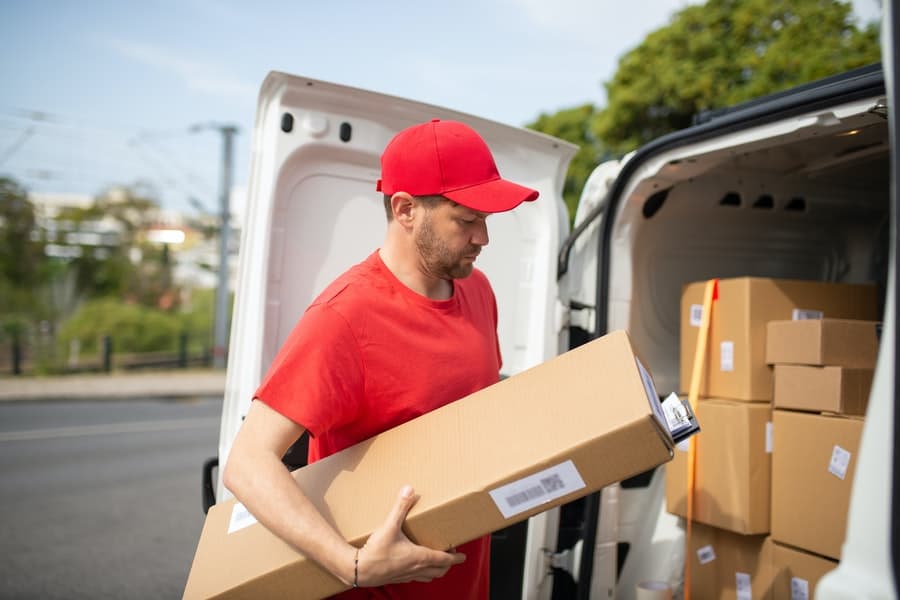
FedEx is known for its express service and in many areas, that’s exactly what they offer. However, not every city offers residents and business owners the same convenient package delivery services. The amount of time it takes to receive your packages varies depending on your location and package size. Luckily, knowing when FedEx starts delivering can help you plan accordingly. In most areas, FedEx only delivers between 9:00 a.m. and 5:00 p.m., Monday through Saturday. In some locations, their operating hours can be extended to 6:00 p.m., Monday through Friday until 9:00 p.m., Saturday night. Keep reading to learn more about how FedEx operates in your area and what time they begin deliveries each day of the week.
What Time Does FedEx Start Delivering?
The FedEx shipping hours vary based on your location. Starting delivery times will vary by location and may change throughout the year. Contact your local depot directly to confirm start times.
What kind of Product does FedEx deliver?
FedEx Ground Package
FedEx Ground Package is the most common type of package they deliver. It is a ground delivery service and it can be delivered to residential and business addresses. FedEx Ground Delivery Service includes 24-hour advance notice before the package is delivered.
FedEx Home Delivery Service
FedEx Home Delivery Service provides same-day service for your packages. This service is available in many cities, including Atlanta, Baltimore, Dallas, Denver, Houston, Los Angeles, Miami, and New York City. It offers advance delivery notifications 24 hours prior to the delivery time and offers same-day or next-day delivery depending on the size of your package and location.
FedEx Office Pick-Up Service
FedEx Office Pick Up Service enables you to pick up your packages at your local FedEx office without having to wait in line or pay any additional fees or charges for the service. The office location must have a physical address in order for this service to be available to you based on what time it opens each day.
Easy way to open a FedEx account
Create a new account on FedEx.com
FedEx provides a simple and streamlined process for creating a new account on its website. You will need your full legal name and an email address to sign up. Once you have your information set up and verified, you can create an account. You will have a new shipping method to choose from and then complete a few other profile settings. You can create an account on the FedEx website by visiting the site: Alternatively, you can sign up for a new account on the FedEx.com site using the URL https://fedex.com/en-us. This will automatically create a username and password.
Go to the account registration page
Your next stop will be the account registration page on the FedEx website. At this stage, you can enter basic information about yourself, your job title, company name, and address. This information will be used to set up your account in the system and also to mail you notifications. You should also set up your shipping preferences. This will include the type of shipping, address, phone number, and language preference. If you want to receive international shipping options, you will need to select the country you want to receive packages. FedEx offers shipping in over 160 countries and territories. Select the one you would like to receive packages at and enter your complete address.
Complete the form and submit it for approval
On the account registration page, complete the form and submit for approval. You will receive an email with a receipt. You can then print out this to keep as proof of your account. If you are creating an account for someone, you can have that person sign the form. You can also have your signature verified with your company. To complete the form, enter all of your personal information. You will need your full legal name, address, and email address. Next, you will need to enter a job title. If you are creating an account for a business, you will want to enter the company name. Next, select your shipping preferences. You’ll want to select the country where you want to receive packages. If you are creating an account for a business that has multiple locations, select the country where your business is located.
Receive shipping notifications on FedEx.com
Once your account is approved, you will start receiving post-registration notifications on FedEx.com. These will let you know that your account has been created, and when it is time to complete the profile settings step. At this point, you can also start seeing your new shipping methods show up in your account overview. These can include the type of shipping you can receive, carrier, and origin/destination information. You can see these shipping methods in your account overview by visiting the site:
Confirm your shipping information to activate your account
Once your account is activated, you will receive the first order notification. The first order is typically a free delivery. To confirm your shipping information, simply look for the “track” or “deliver” button on the notification. This button will link you directly to the carrier’s website. If you need help with any of these steps, you can always contact FedEx’s customer service team. They are available 24/7 to help you with any questions you have.
Enable your preferred shipping method in your profile settings
You will receive an email from FedEx letting you know that your account is active and that you can begin shipping packages. FedEx will also provide you with a login name and password for your account. The next step is to log into your account and activate your preferred shipping method. To do this, visit the website: You can also log in with your username and password provided in the email from FedEx.
Which Days Does FedEx Deliver?
Monday: Wednesday and Thursday Only
In many areas, FedEx only delivered on Mondays. However, some locations deliver on Tuesdays, Wednesdays, and Thursdays. If your address is one of these addresses, you’ll have to wait for an alternate day. If you’re trying to schedule a delivery on a Monday, Wednesday, or Thursday, use a shipping calculator to see if that time is available in your area. If the time is available, you’ll be able to schedule your delivery accordingly.
Tuesday and Wednesday Only
In some areas, FedEx only delivered on Tuesday and Wednesday. If this is the case in your city, you’ll have to wait for a different day to receive your package. You can find out when FedEx delivers in your area by using the company’s website. You can also call FedEx customer support and ask them when they deliver. It may help to explain which products you need to receive.
Thursday and Friday Only
In some areas, FedEx only delivered on Thursday and Friday. If this is the case in your city, you’ll have to wait for a different day to receive your package. You can find out when FedEx delivers in your area by using the company’s website. You can also call FedEx customer support and ask them when they deliver. It may help to explain which products you need to receive.
Saturday and Sunday Only
In some areas, FedEx only delivers on Saturday and Sunday. If this is the case in your city, you’ll have to wait for a different day to receive your package. You can find out when FedEx delivers in your area by using the company’s website. It may help to explain which products you need to receive.
Final Thoughts
FedEx is known for its express service, but there are certain times of the year and in certain cities when they may not deliver your packages at all. You may have to try a different delivery service, like the one you use for your mail collection or a grocery store or hardware store. If you’re located in a city that offers late delivery on a regular basis, you may want to consider moving to a different city. Or, you may want to consider joining a do-it-yourself delivery service, like Postdates. With these services, you’ll be able to schedule an appointment with your delivery person and they’ll bring your packages to your door.
FAQ’s
1. How often do they deliver?
FedEx will deliver packages on most days, but they may not deliver at all on some days.
2. How long does it take to deliver a package?
FedEx will usually deliver a package within 24 hours of the time that you schedule your delivery. If you’re in a rush, you can choose “Next Day Air” or “2-Day Air” and your package will be delivered in 2 days.