The Vanilla Bean Frappuccino is a popular coffee and ice cream beverage. It has become so popular that it’s almost impossible to find elsewhere. Some people believe the Vanilla Bean Frappuccino has coffee in it, but this is not true. The vanilla bean itself does contain caffeine, which is why some people refer to the Frappuccino as a “caffeine bomb”. That being said, a lot of people still order it just for its namesake flavor instead of the actual deliciousness of the drink. The vanilla bean is also a great source of antioxidants, vitamins, minerals, and carotenoids like lycopene and limonene. So this drink for dessert doesn’t solely taste good—it also tastes good for you too! Read on to learn more about the popular beverage and how much coffee it actually has inside of it.
Does the Vanilla Bean Frappuccino Have Coffee In It?
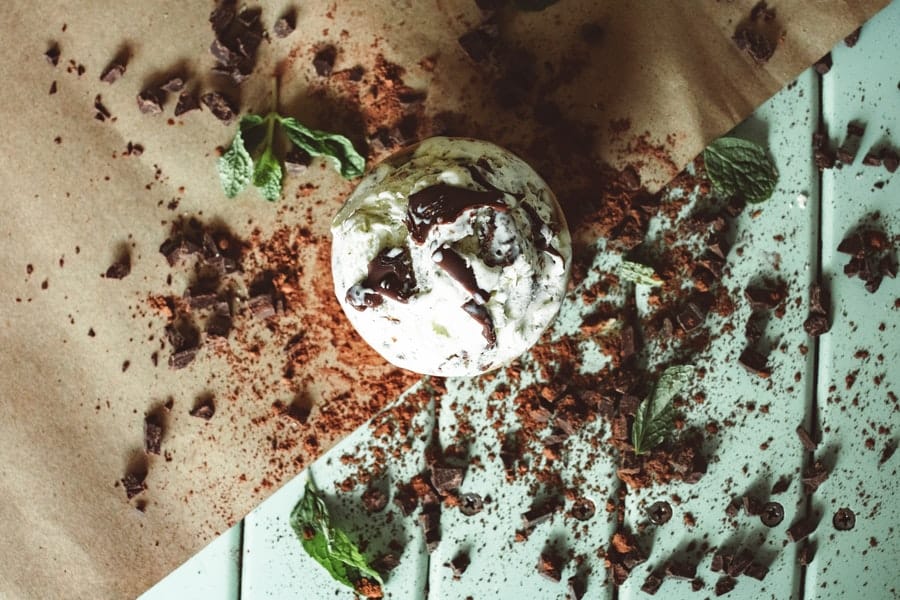
No, the Vanilla Bean Frappuccino does not have coffee in it. The ingredients include vanilla extract, milk, ice cream, and whipped cream.
What is The History of the Frappuccino
From the Frappuccino to the Frappuccino
The most popular Frappuccino of all time was created in 2011 by the Starbucks Coffee Company. It was called the ‘Tall Vanilla Bean Frappuccino’. In Starbucks stores, this beverage is usually the first Frappuccino that the baristas begin making each morning. The ‘Tall’ was just a little too sweet for some customers and it didn’t last a long time on store shelves. The first Frappuccino wasn’t a huge success, but it paved the way for the rest of the Frappuccinos that would follow.
The History of Starbucks Frappuccinos
In 2012, the Frappuccino craze hit a new level when the green light turned on the walnut. By the end of the year, the Yo-Yo was the new favorite Frappuccino, with a hint of berry in every sip. These were the first two Frappuccinos that Starbucks created. The number of Frappuccinos that Starbucks offers today is almost endless, with flavors such as the Minted Mocha and the Caffeine-infused Milkshake. The Starbucks Frappuccino is one of the most popular blended drinks in the country.
The Next Level of the Frappuccino: The Evolution of the Frappuccino
The next level of the Frappuccino came in 2015, with the introduction of the Cranberry Orange Julius, the Matcher Green Tea, and the salted caramel Frappuccino. The Cranberry Orange Julius was the first to be served within a cold cup. While these drinks are still not referred to as Frappuccino, they are still Frappuccino in every other way. The Cranberry Orange Julius is the best-selling Frappuccino of all time, and it is still on the menu today. The Matcher Green Tea and the Salted Caramel Frappuccino follow behind. These are two of the most popular Frappuccino in the country, and they are still on the menu today. The only thing that has changed is that you can now order them iced.
The Latest Craze: The History of the Unicorn Frappuccino
The next level of the Frappuccino came in May 2017, with the creation of the elusive Unicorn Frappuccino. This beverage was served in a pink and purple Frappuccino cup, with a purple drizzle on top. The Unicorn Frappuccino is the latest trend in blended drinks, and it is the most Instagram Mable Frappuccino of all time. When Starbucks announced that they were going to debut this new drink, it was the buzz on the internet. The baristas said that they received thousands of orders for this drink, and they had to come up with a new recipe every time they made one. The Unicorn Frappuccino has been given a temporary name, the Pink Drink with sprinkles. The Rainbow Drink, Purple Drink, and Pink Drink are other possible names for this new Frappuccino.
Future of the Unicorn and Other Sweeping Trends for Coffee Shops
One of the things that have always made Starbucks stand out from its competitors is its ability to create new trends among its customers. They are the first to serve blended drinks like the blended ‘flat white’ or the blended Frappuccino. The Unicorn Frappuccino is another trend that the coffee chain has introduced. Where the Cranberry Orange Julius and the Matcher Green Tea are available year-round, the Rainbow Drink is only available for a limited time. The Rainbow Drink is a combination of the Blue Drink, the Pink Drink, and the White Drink. It is offered for a limited time, and it is one of the most Instagrammable drinks that you can get at Starbucks.
What are the Benefits of Coffee Frappuccino
Coffee is good for you.
Coffee is one of the most heavily researched beverages in the world. Evidence suggests that it can improve your health and help you live longer. The recent craze for coffee has led to an increase in the number of people drinking coffee, with an impact on the global coffee market. This has led many coffee companies to partner with research organizations that are looking into the benefits of coffee, which is a great thing for coffee drinkers. If you are thinking about adding more coffee to your diet, you should know that it contains many key nutrients that can benefit your health. Coffee is known to boost alertness, improve brain function, and enhance your metabolism. Research has also found that regular coffee consumption can reduce your risk of type 2 diabetes, liver disorders, and macular degeneration.
Coffee Frappuccino is delicious.
Coffee is a delicious ingredient, but it is also mixed with ice and topped with milk, creating a Frappuccino that is even tastier and healthier than a plain cup of coffee. The key to a great coffee Frappuccino is to choose the right coffee. You can also choose which Frappuccino flavor you would like in your coffee. There are a lot of different options. If you’re looking for a non-coffee-flavored Frappuccino, you can choose one of the many fruity Frappuccino flavors. If you like your coffee with lots of cream and sugar, you can choose chocolate or vanilla Frappuccino. You can also get custom infusions like cinnamon dolce or mocha. You can create your own Frappuccino by choosing from any of the many types of coffee.
Coffee Frappuccino is a great way to meet friends.
You can meet up with new friends for coffee or catch up with old friends at a nearby café. If you’re on social media, you can even post about your coffee meeting so you can catch the attention of others looking for a quick meet-up. You can also try using an online coffee meet-up app like Meetup to find people who are interested in meeting up for coffee. Many cafés also offer social media meet-ups, where you can meet up with friends who are also on social media sites like Twitter and Facebook. If you want to meet up with someone who isn’t on social media, you can also try finding a friend-of-a-friend.
Coffee Frappuccino is a great after-dinner treat.
You can make a Frappuccino to enjoy after dinner as a late-night treat. If you are eating a heavy meal, a Frappuccino is a great way to cleanse your palate and help you fall asleep at night. Many cafés also offer healthy desserts, which you can enjoy after dinner. If you don’t want to eat the unhealthy desserts that are often offered at cafés, you can always buy a healthier treat from the vending machine. You can also create your own healthy dessert Frappuccino. You can create a Frappuccino with bananas, berries, honey, protein powder, flaxseed, and more. You can add protein powder to a Frappuccino to help you cleanse your palate and build muscle.
Coffee Frappuccino is a social lubricant.
Coffee is a social beverage, and Frappuccino is a great way to stay social when you want to drink with friends. Many cafés offer happy hours, which are special discounts on drinks and food. You can also try creating your own happy hour Frappuccino. You can make a Frappuccino with ingredients like rum, dark rum, whiskey, or vodka. You can also add ingredients like caffeine, sugar, and honey to create a social lubricant Frappuccino. You can use social media to find friends who you want to hang out with. You can also use the geolocation function on Facebook and Twitter to find friends who are nearby.
Final Words
Now that you know what’s inside of the Vanilla Bean Frappuccino, you can also enjoy it for the deliciousness of it all by itself! The vanilla bean is a great source of antioxidants, vitamins, minerals, and carotenoids like lycopene and limonene. The Vanilla Bean Frappuccino is one of the most popular coffee and ice cream beverages on the market. It’s delicious for dessert, but it’s also great for you. This delicious beverage contains caffeine, vitamins, and minerals, and it’s safe to drink after dinner. Vanilla beans are also a great source of antioxidants and have vitamins and minerals like lycopene and limonene.